
In Cambodia, irrigated systems have been undergoing rapid transformations for several years due to agricultural intensification, increasing pressure on water resources, and challenges related to climate change.
Through an interdisciplinary approach involving hydrology, agronomy, agricultural economics, geography, and social sciences, COSTEA’s work in Cambodia is part of a research-action dynamic and is primarily deployed in two study areas with contrasting characteristics.
COSTEA supports research, training, and expertise initiatives designed to analyze these changes and identify agroecological transition trajectories adapted to local realities.
Study areas at the heart of agricultural transformations
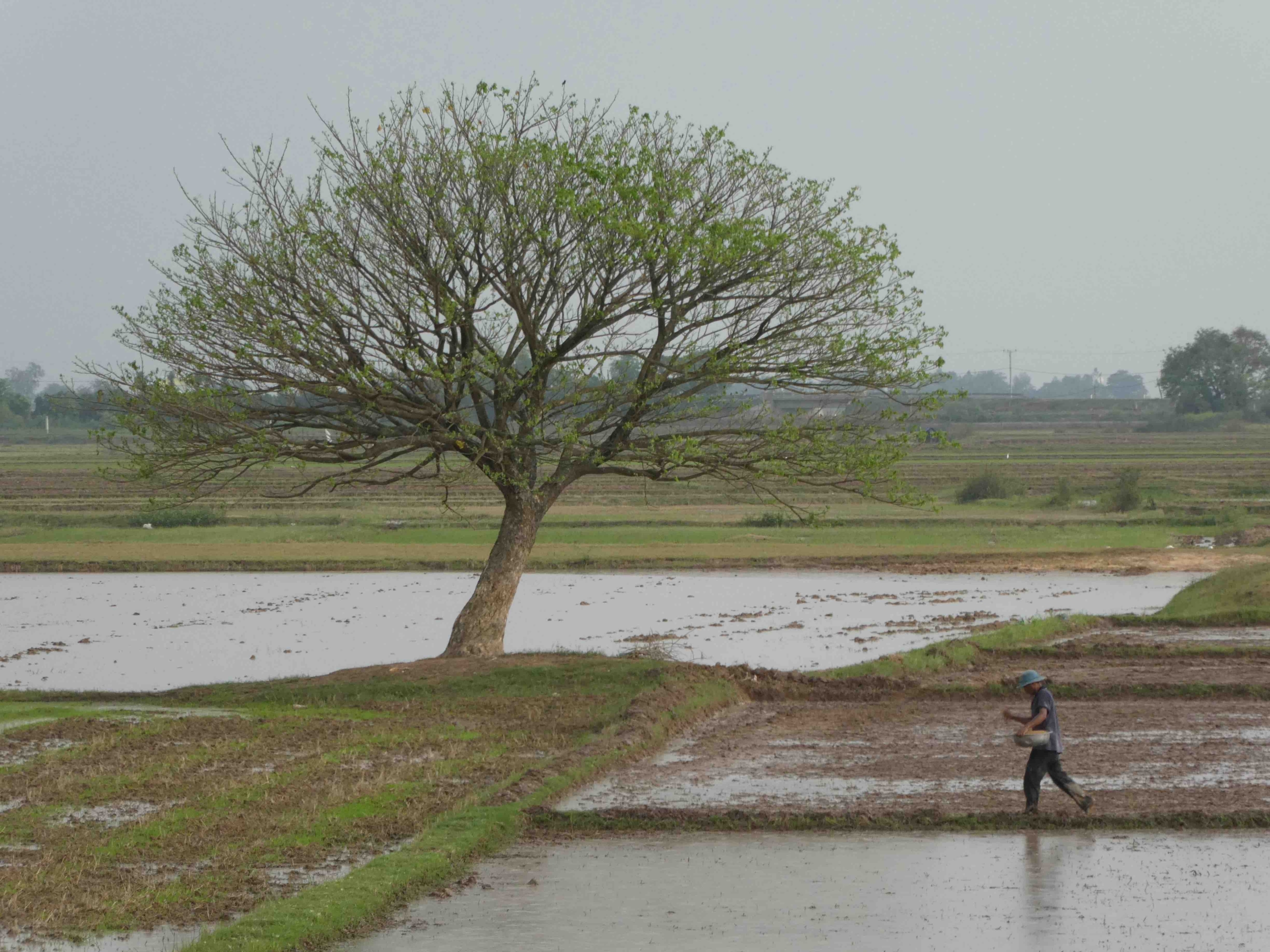
- In Kandal Province, within the Mekong floodplains, research focuses on the “preks” zone, a vast network of earthen canals, wetlands, and watercourses that structure diversified agriculture as well as numerous fishing activities. For the past twenty years, this region has been the subject of rehabilitation projects and hydraulic infrastructure construction, the impacts of which on hydrological, agricultural, and social dynamics remain only partially documented.
- In Banteay Meanchey Province, located in the northwest of the country near the Thai border, work focuses on small-scale irrigated rice-growing areas where securing access to water during the dry season is a major challenge for agricultural production and farm resilience.
Beyond this study, COSTEA is also developing several complementary actions in Cambodia. Notably, a young researcher has been recruited to support field activities, contribute to training actions, and deepen work dedicated to gender issues in irrigation and the agroecological transition. Various capacity-building activities are also being carried out with Cambodian partners to promote the appropriation of the knowledge produced and its dissemination among water and agriculture stakeholders.
Understanding the conditions for an agroecological transition: the contribution of doctoral research
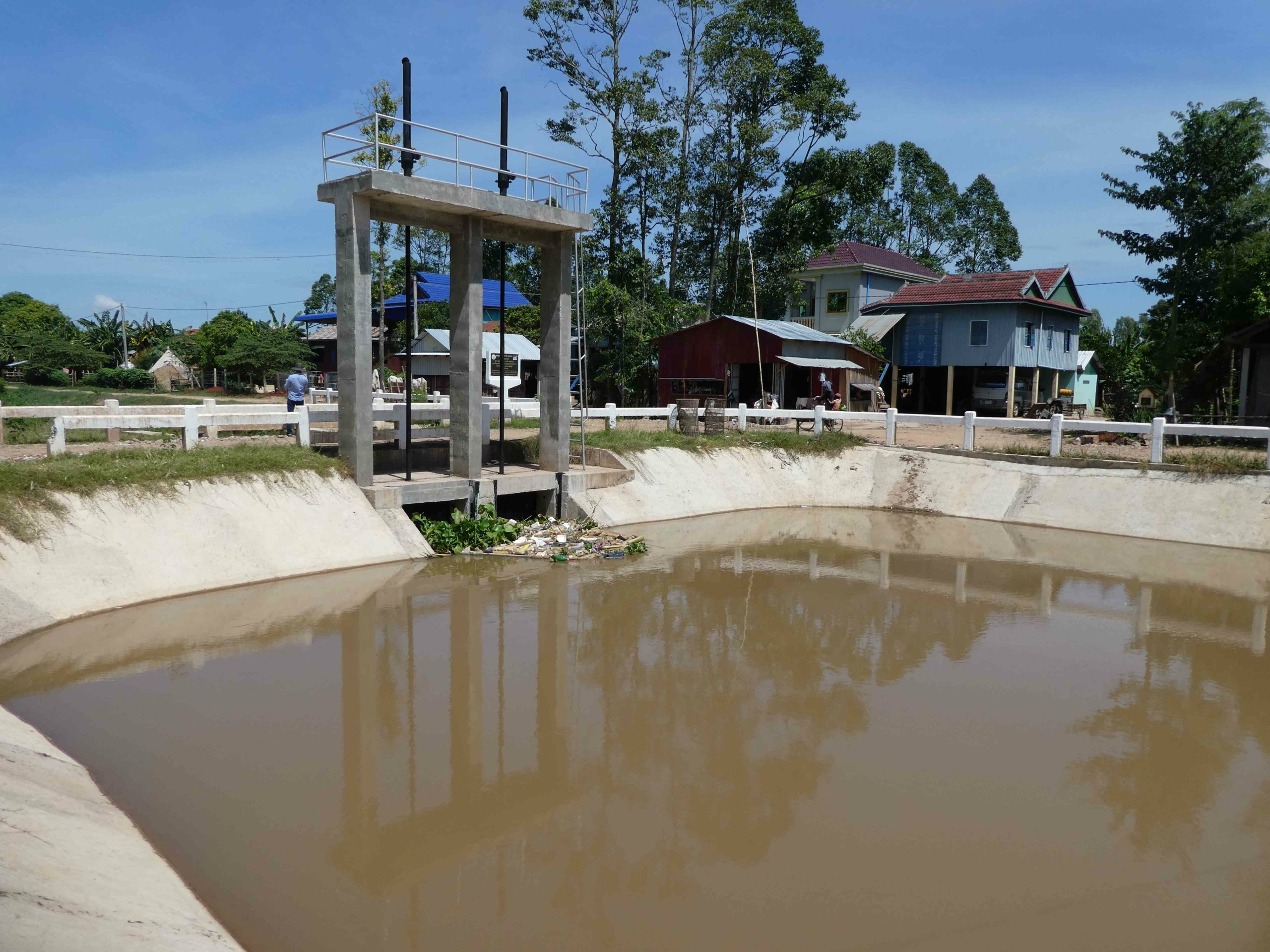
This area, which contains a very large irrigated perimeter, has undergone significant transformations since the development of irrigation and the implementation of several successive development projects, including the WAT4CAM project. Infrastructure construction has led to a strong intensification of rice cultivation based on the Green Revolution model, accompanied by an increasing use of chemical inputs, pesticides, and associated agricultural services.
While this dynamic has increased production capacity, it now raises several challenges. The emergence of new agronomic constraints (diseases, pests, etc.), environmental impacts related to the intensive use of inputs, pressure on water resources, and the economic difficulties faced by some producers call into question the sustainability of the current model. Farmers notably face high variability in rice prices, combined with rising production costs and, in some cases, significant debt situations.
The work relies notably on “Rice Up,” a serious game developed as a tool for research and dialogue with producers. Representing agricultural plots, crops and practices, irrigation infrastructure, hydraulic constraints, and value chain logic, this tool allows participants to simulate collective trajectories, collectively evaluate the consequences of their choices, and identify levers likely to improve the sustainability of their production systems.
Two workshops have already been organized with Kanghot farmers. These exchanges make it possible to integrate their concerns into the research work and to build, with them, transition trajectories consistent with the economic, social, and environmental realities of the territory. Workshops with rice sector stakeholders and decision-makers are currently being planned, centered around a second participatory tool, which will be a national-scale application of “Rice Up.”
An ecosystem of partners to produce knowledge useful for action